
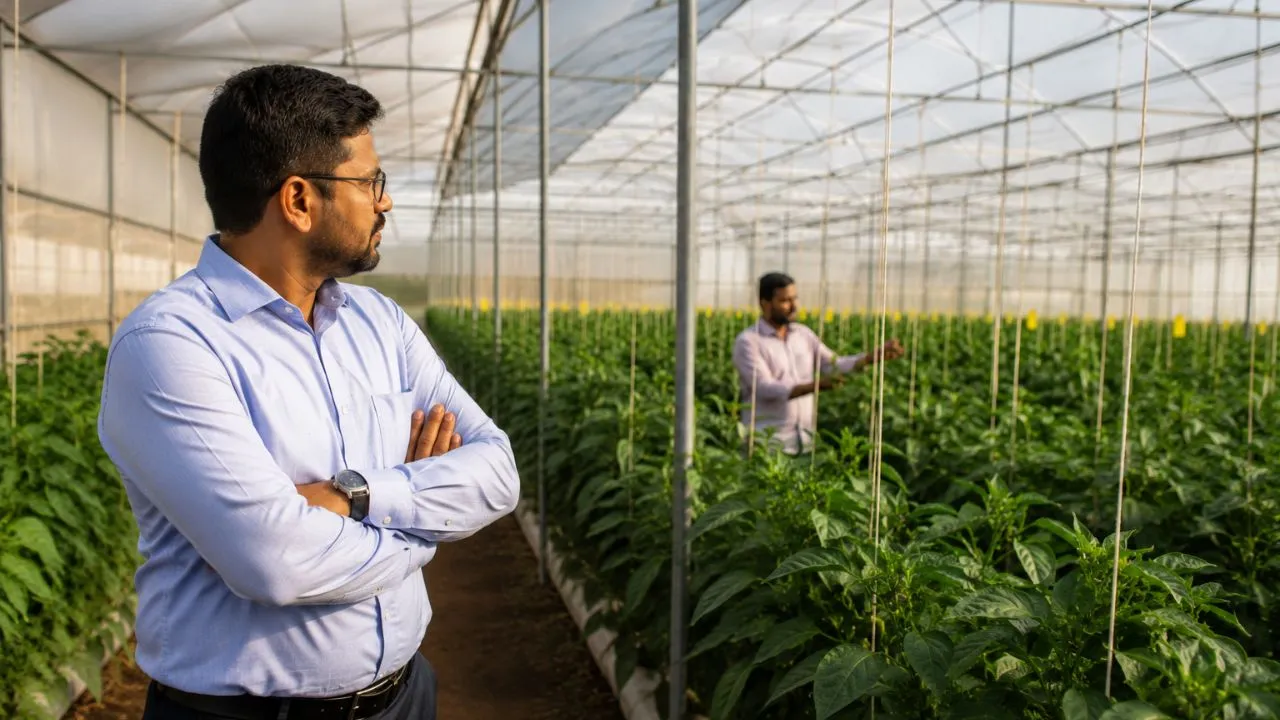
Not a sales pitch to quit what you’re doing. A practical look at what actually changes when you move capital and attention from trading or services into agriculture.
We meet a fair number of people running trading businesses — textiles, hardware, general merchandise — or service-based work like consulting, transport, or contracting, who’ve started thinking seriously about agriculture as their next move. Usually it’s some mix of things: tax advantages they’ve heard about, government subsidy support, or simply wanting something less exposed to the constant price and demand swings their current business deals with. This is a genuine, realistic path for a lot of people. But moving from trading or services into agriculture isn’t just redirecting capital — it’s a different kind of business with different rhythms. Here’s what actually changes.
Capital Lock-In: The Biggest Mindset Shift
In trading, your capital moves. You buy inventory, sell it, and that money comes back to you within weeks or months, ready to be redeployed. In a services business, your main asset is often your time and expertise, not locked-up capital at all. Agriculture — especially protected cultivation like a polyhouse — works completely differently. Once you invest in structure, irrigation, and land preparation, that capital is locked into a physical asset for years, not weeks.
This isn’t a downside exactly, but it’s a mindset shift that catches traders off guard more than anyone else. Someone used to turning inventory five or six times a year has to recalibrate to a business where the “inventory” is a crop cycle measured in months, and the core infrastructure is a multi-year asset. If liquidity and flexibility matter enormously to how you operate, this is worth sitting with honestly before committing significant capital.
Timelines: Trading Speed vs Farming Speed
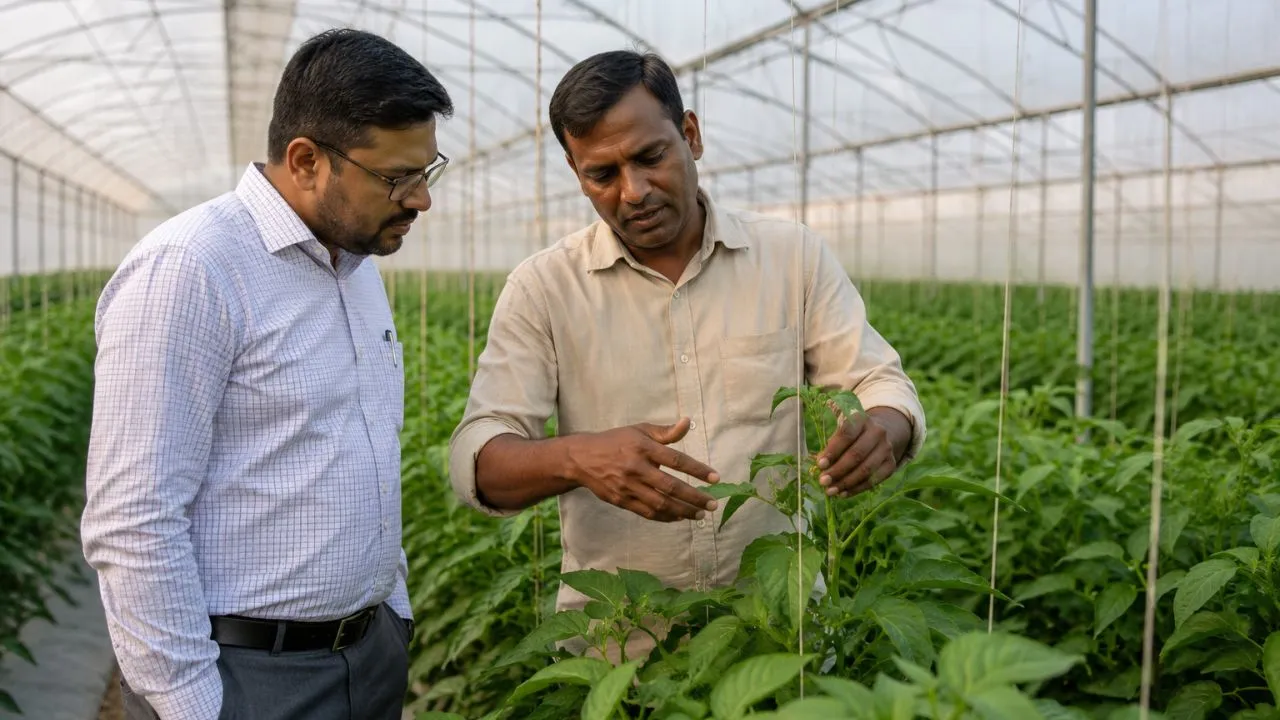
A trading deal can close in a day. A services contract might pay out on 30-day terms. Agriculture doesn’t move at that pace, and pretending otherwise is where a lot of first-time transitions go wrong. From land preparation to a first harvest, you’re generally looking at a minimum of 2-4 months even for a fast crop like cucumber, and considerably longer if you’re waiting on subsidy approval, bank loan sanctioning, and construction before you even plant anything — realistically 6-12 months from decision to first real income.
This is precisely why we usually recommend a side investment first approach for anyone transitioning from a faster-moving business — keep your existing trading or services income running while the farm operation finds its feet, rather than shutting down proven income to wait out a slower ramp-up.
Skills That Transfer, and Skills You’ll Need to Build
Here’s some genuinely good news: a lot of what makes someone successful in trading or services carries over directly. Negotiation skills for buying inputs and selling produce. An understanding of margins, cash flow, and working capital. Relationship-building for finding buyers — this is often the exact skill that separates a struggling farmer from a thriving one, and it’s precisely the skill a trader already has in spades.
What you’ll need to build from scratch is the technical, agronomic side — crop selection suited to your water and climate, understanding pest and disease management, and getting comfortable with the physical, weather-exposed nature of farming even inside a controlled structure. This is exactly where working with an experienced agronomy team matters most in year one — not because you can’t learn it yourself eventually, but because the learning curve is expensive if you’re figuring it out alone through trial and error on your own capital.
What Doesn’t Change: You’re Still Running a Business
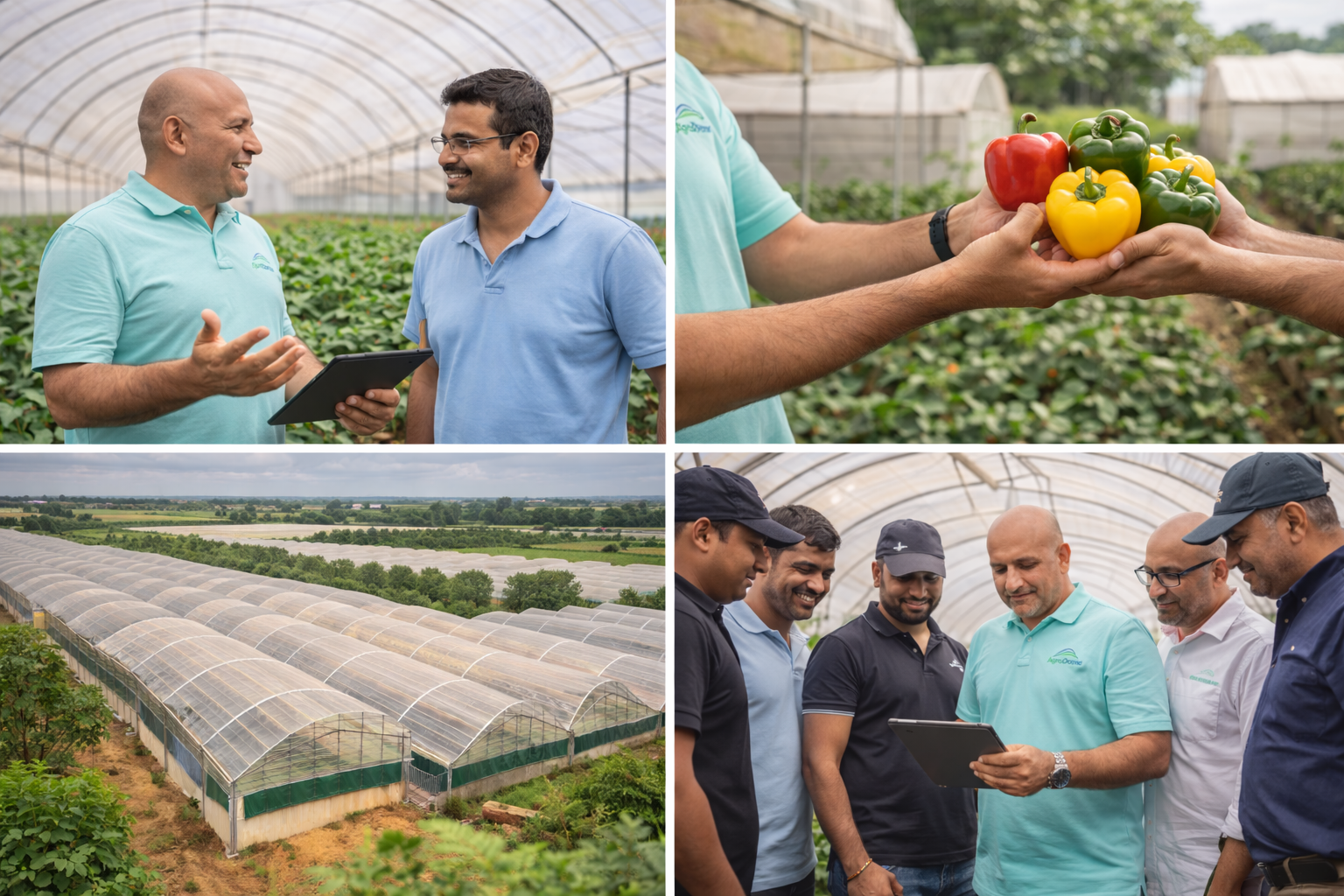
It’s easy to romanticise agriculture as something completely different from “regular” business, but the fundamentals are the same. You still need to understand your costs, know your buyer before you have product to sell, manage cash flow carefully, and treat it with the same seriousness you’d bring to any venture involving real capital. The traders and business owners who transition well are the ones who apply their existing business discipline to agriculture, rather than treating it as a lifestyle change that doesn’t need the same rigour.
A Realistic Transition Timeline
| Stage | Realistic timeframe |
|---|---|
| Research, land/water assessment, crop planning | 1-2 months |
| Subsidy application and bank loan approval | 2-4 months |
| Construction and installation | 1-2 months |
| First crop cycle to harvest | 2-4 months, crop dependent |
| Realistic point to consider going full-time | After 2-3 full crop cycles, roughly 12-18 months in |
If someone tells you this transition can happen meaningfully faster than this, be skeptical. Rushing subsidy paperwork or construction to save a few weeks is exactly the kind of shortcut that leads to costly mistakes later.
Don’t Forget the Tax Side of the Transition
If you’re still running your trading or services business alongside the new farm income, it’s worth understanding upfront how the tax treatment of agricultural income interacts with your existing business income — it’s a genuine advantage, but with real conditions worth planning around from year one rather than discovering at tax filing time.
Our Honest Take on Making This Move
This transition works well for people who bring real business discipline with them and stay patient through a slower first year. It works poorly for people expecting trading-speed returns from a farming-speed business, or who quit their existing income entirely before the new one has proven itself. If you’re genuinely considering this move, our advice is simple: keep your current business running, start smaller than you’re tempted to, and give the operation two to three full cycles before deciding whether to go all-in.
Frequently Asked Questions
Should I sell my existing business before starting in agriculture?
Generally, no — we’d recommend keeping your existing business running while you test the farm operation, rather than cutting off proven income before the new venture has shown it can sustain you.
Which background transitions more easily into agriculture — trading or services?
Both bring useful skills, but traders often adapt faster to the buyer-relationship and margin-management side, since it closely mirrors what they already do. Services business owners sometimes need more adjustment around the physical, hands-on nature of the work, depending on their prior field.
Do I need agricultural knowledge before starting, or can I learn as I go?
You can absolutely learn as you go, but working with an experienced agronomy team in your first year or two significantly reduces the cost of learning through mistakes on your own capital.
How much of my current business income should I be prepared to keep running during the transition?
Enough to comfortably cover your household and any loan obligations for at least 12-18 months, since that’s a realistic window before the farm operation is likely to be generating consistent, reliable income.
This article offers general guidance based on common patterns we’ve observed. Individual circumstances vary significantly — please consult our team and, where relevant, a financial or tax professional, before making a transition decision.
Thinking about making this move?
AgroDome can help you plan a realistic transition — right crop, right timeline, right financing — without unnecessary risk to what you’ve already built.
Get a Free Consultation