AgroDome

Agrodome Projects LLP | Australia Tour insight

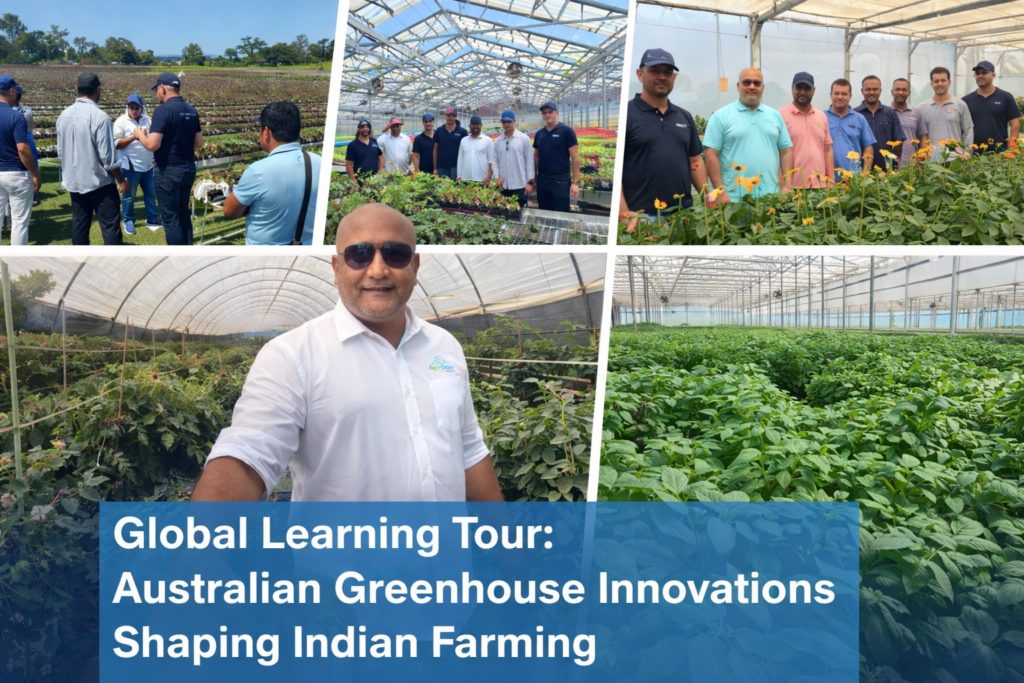
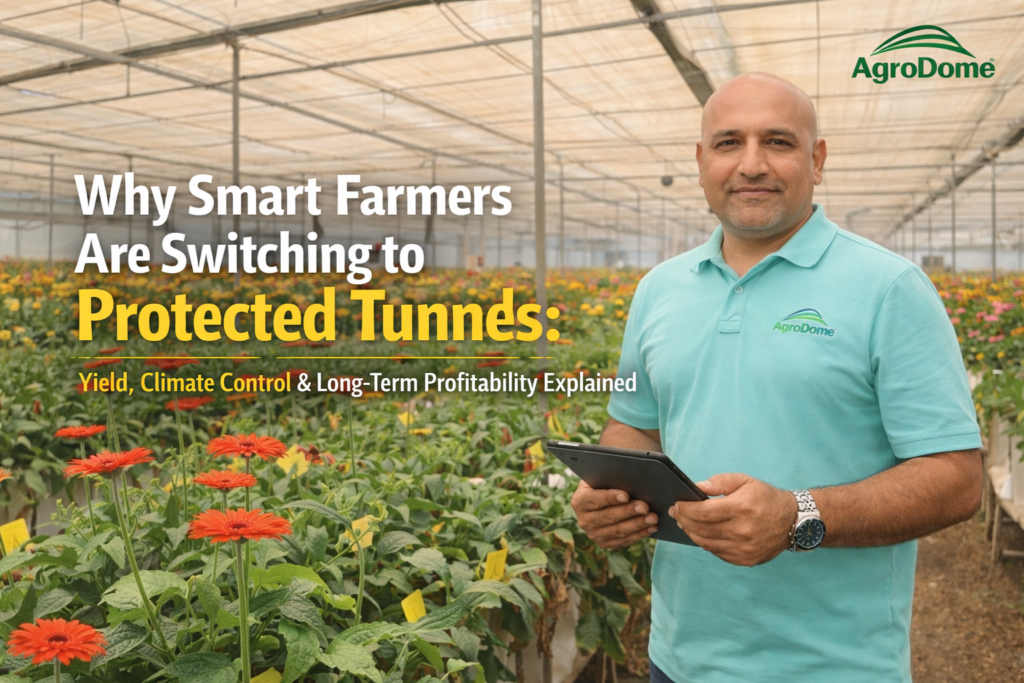
Global Learning Tour: How Australian Greenhouse Innovations Are Shaping the Future of Protected Farming in India

Introduction The future of agriculture lies in technology-driven, climate-resilient, and efficient farming systems. As Indian farmers increasingly adopt protected cultivation, learning from global leaders in greenhouse technology has become more important than ever. With this vision, Mr Hitesh Limani, founder of Agrodome Projects LLP, recently visited Australia on a knowledge-driven greenhouse learning tour arranged by […]

Global Learning Tour: How Australian Greenhouse Innovations Are Shaping the Future of Protected Farming in India Read More »

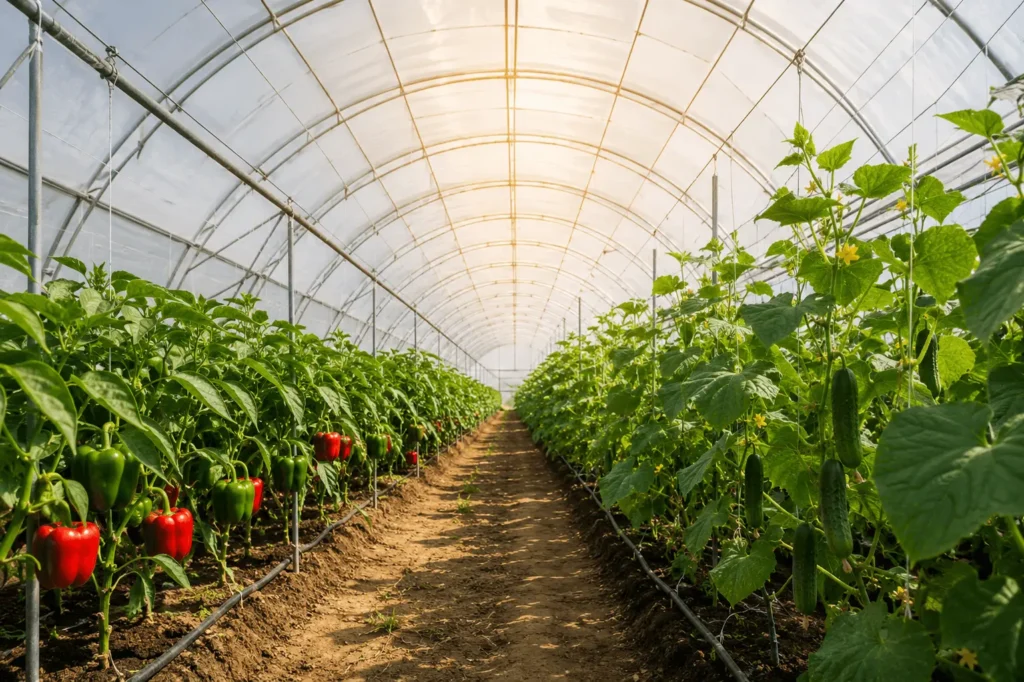
Crops cultivation in greenhouse structures (Polyhouse, Nethouse, hybrid structure....)

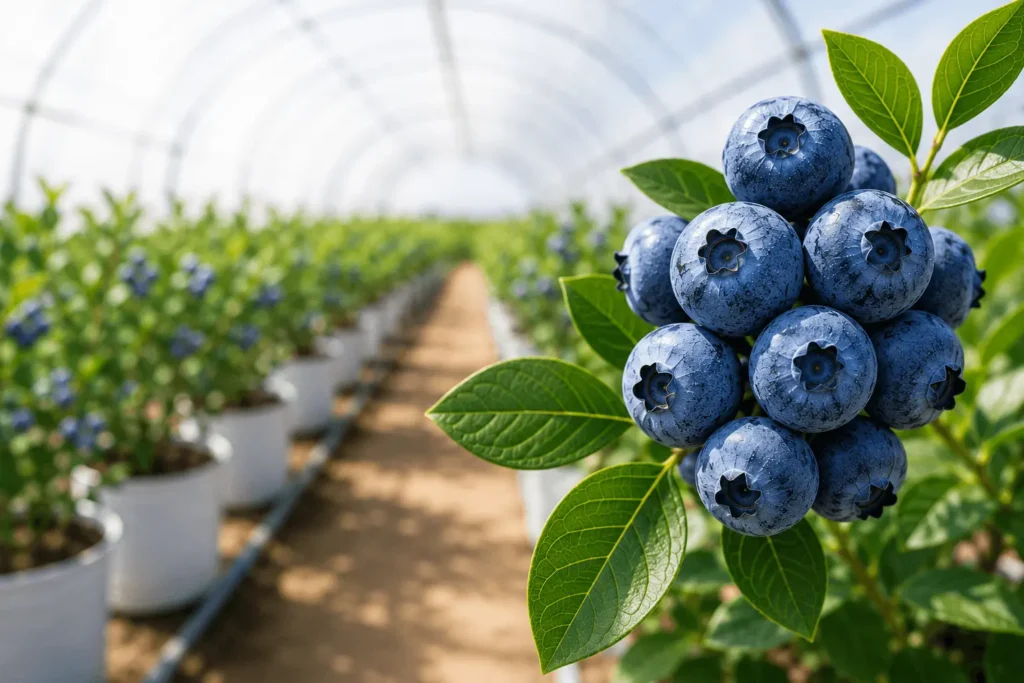
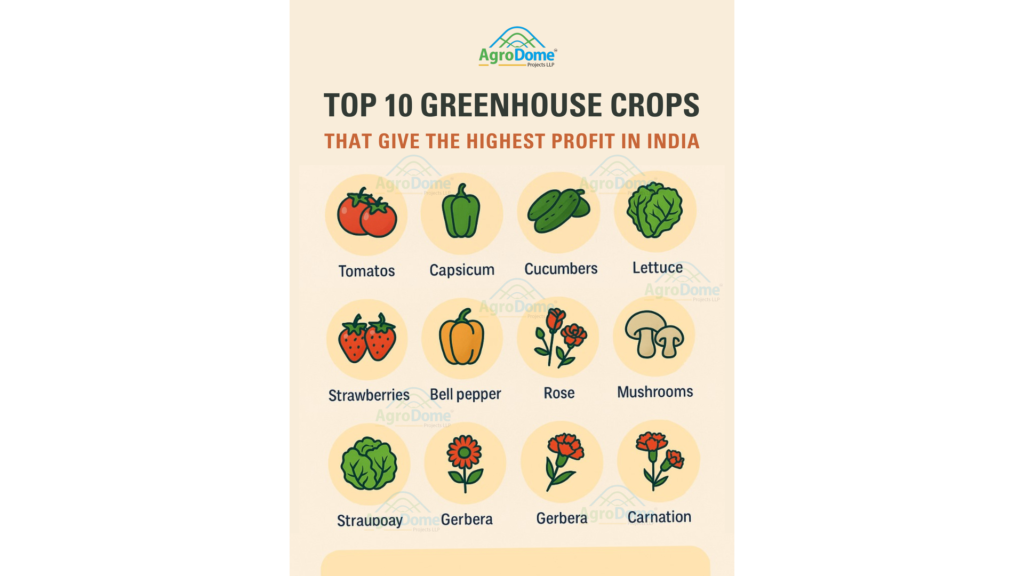
Top 10 Greenhouse Crops That Give the Highest Profit in India

🌱 Introduction: India’s agriculture is transforming—farmers are shifting from traditional open farming to greenhouse farming for higher profits, controlled environments, and sustainable production. With rising demand for premium vegetables, fruits, flowers, and herbs, protected cultivation has become one of the smartest agricultural investments. At Agrodome Projects LLP, we work closely with farmers nationwide, helping them

Top 10 Greenhouse Crops That Give the Highest Profit in India Read More »

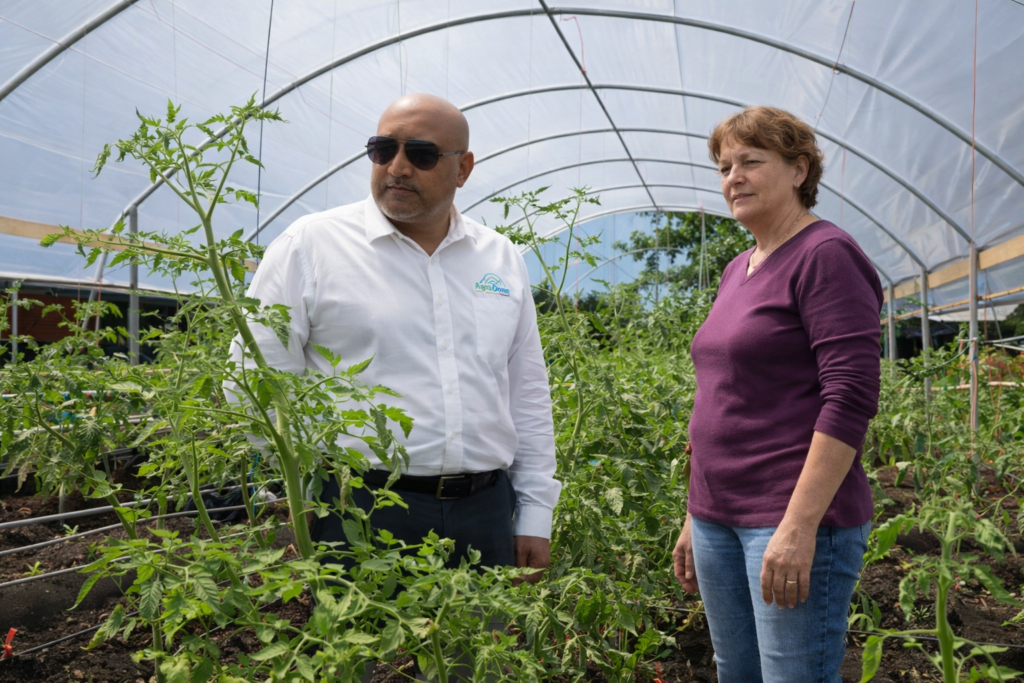
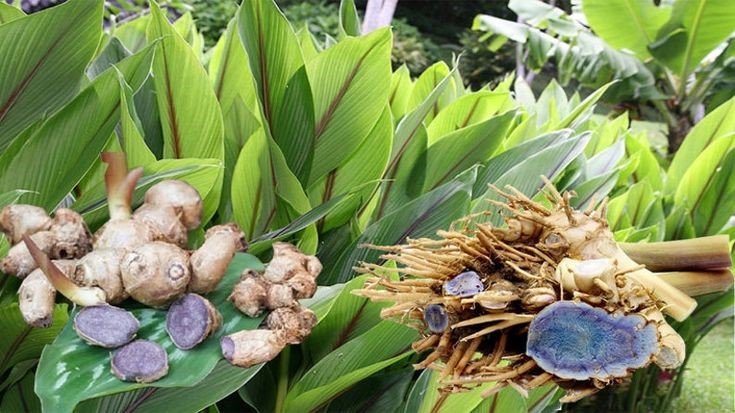
Benefits of Growing Black Turmeric in a Poly House to get a premium price in the market

Benefits of Growing Black Turmeric in a Poly House to get a premium price in the market

Introducing Black Turmeric Black turmeric (Curcuma caesia) is a rare medicinal plant. It has a main underground mother rhizome with smaller branch rhizomes, about 2–5 cm long. The rhizomes are dark brown on the outside and blue to blue-green on the inside, dense and fibrous, with a strong camphor-like smell and a bitter, pungent taste.

Benefits of Growing Black Turmeric in a Poly House to get a premium price in the market Read More »

How Climate Change Is Driving the Shift to Greenhouse Farming

Climate change is no longer a distant threat for agriculture — it is a daily reality for farmers across the world. Unpredictable rainfall, extreme heat, prolonged droughts, sudden cold waves, and unseasonal storms are disrupting traditional farming cycles. For farmers who depend on open-field cultivation, these changes often result in crop losses, reduced yields, and

How Climate Change Is Driving the Shift to Greenhouse Farming Read More »

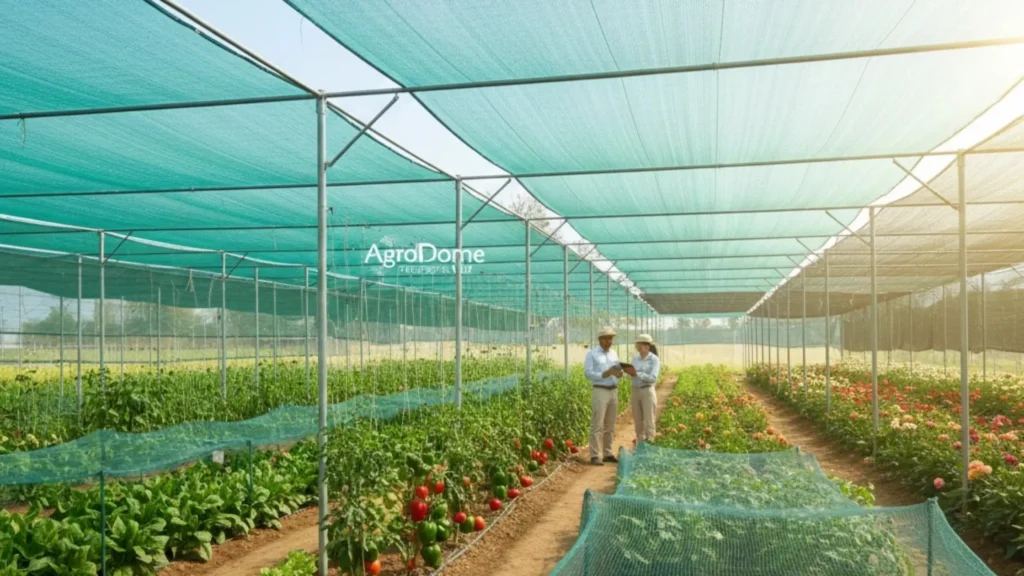
Best Shade Net Percentage for Different Crops

Shade net houses have become an essential part of modern protected cultivation, especially in regions where high sunlight intensity, heat stress, and unpredictable weather affect crop growth. One of the most important decisions while designing a shade net house is selecting the right shade net percentage. The shade percentage directly influences light penetration, temperature regulation,

Best Shade Net Percentage for Different Crops Read More »

Open Field vs Protected Cultivation: Yield, Cost & Profit Comparison

Agriculture has always depended on nature — sunlight, rainfall, temperature, and seasons. For decades, open field farming has been the backbone of food production. However, with changing climate patterns, rising input costs, and increasing demand for quality produce, farmers today are exploring protected cultivation as a smarter alternative. But the big question remains:Is protected cultivation

Open Field vs Protected Cultivation: Yield, Cost & Profit Comparison Read More »

Vertical Farming vs Traditional Greenhouses: Opportunities & Constraints in India

  India is at the cusp of an agricultural transformation. As urbanization spreads and climate change intensifies, traditional farming methods are being re-evaluated. Two modern approaches gaining attention are vertical farming and traditional greenhouses. Both promise higher yields and better resource efficiency, but they come with their own sets of opportunities and constraints. What is

Vertical Farming vs Traditional Greenhouses: Opportunities & Constraints in India Read More »

Scroll to Top