Introducing Black Turmeric
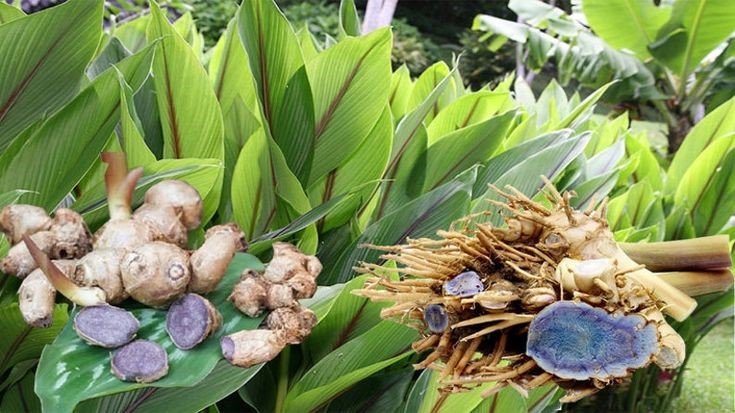
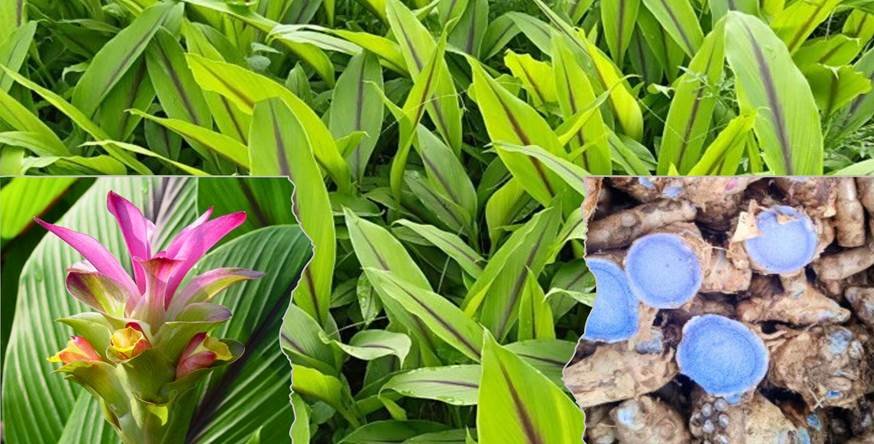
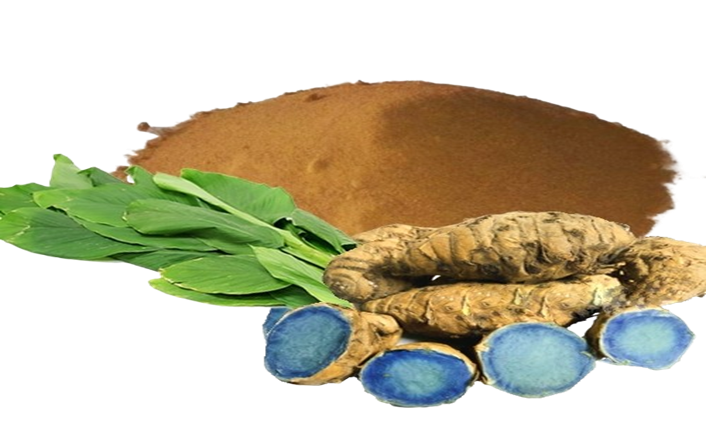
Black turmeric (Curcuma caesia) is a rare medicinal plant. It has a main underground mother rhizome with smaller branch rhizomes, about 2–5 cm long. The rhizomes are dark brown on the outside and blue to blue-green on the inside, dense and fibrous, with a strong camphor-like smell and a bitter, pungent taste.
The plant grows up to 1 meter tall with long green leaves that have a red-black stripe down the center. Black turmeric is mainly used in traditional medicine and is valued for its unique color and medicinal properties.
Black turmeric occupies a minimal area compared to common turmeric, as it is rare and highly valued for its medicinal properties rather than as a culinary spice. Its cultivation is concentrated in regions with tropical and subtropical climates, where soil and rainfall conditions favor its growth.
Nutritional and Medicinal Value
Black turmeric has not been extensively studied for its nutritional content, but its rhizome has been used for centuries in India and Southeast Asia as a natural medicine. This variety is known to have the highest curcumin concentration among all turmeric species. Curcumin is a biologically active polyphenolic compound with antioxidant and anti-inflammatory properties that help reduce inflammation, strengthen the immune system, and protect cells from damage caused by free radicals.
Traditionally, Black Turmeric is made into a paste and applied topically to heal wounds, skin irritations, and snake or insect bites. The paste is believed to have antibacterial and antifungal properties and is also taken internally to soothe the stomach and aid digestion.
Beyond wound healing, the paste can be applied to sprains or bruises to temporarily relieve pain or placed on the forehead to reduce the severity of migraines.
Why a Polyhouse?
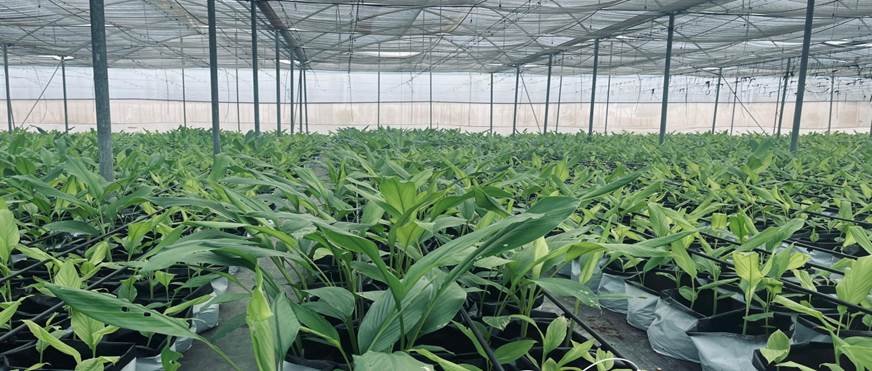
Black turmeric is a delicate and high-value crop that requires ideal growing conditions to thrive. It needs a balanced environment with the right temperature, humidity, and protection from external factors. A polyhouse provides exactly that—a safe and controlled space where Black Turmeric plants are protected from heavy rain, scorching sunlight, and pest attacks. Inside a polyhouse, the crop grows in a stable climate that supports healthy and consistent development.
Drip irrigation delivers water efficiently, keeping the soil evenly moist without any wastage. This controlled polyhouse setup allows Black Turmeric plants to grow faster, form bigger and richer rhizomes, and deliver higher yield and better quality.
Farmers can also grow Black Turmeric year-round, even during off-seasons, helping them earn a higher income through Ayurvedic and export markets. The combination of polyhouse cultivation and proper care ensures that this rare medicinal crop thrives while maximizing profitability.
Benefits of Polyhouse Cultivation
🟢 Environmental Control 🌡️
“In a polyhouse, you can keep the temperature around 25–30°C and humidity about 70–80%. This is perfect for Black Turmeric to grow strong and healthy rhizomes.”
🟢 Pest and Disease Control 🛡️🐛
“The closed polyhouse protects Black Turmeric plants from heavy rain, insects, and fungal diseases. Fewer pests mean less need for chemicals, so you get more natural and safe produce.”
🟢 Water Efficiency 💧🌿
“With drip irrigation or mist systems inside the polyhouse, you can give Black Turmeric plants just the right amount of water. No water is wasted, and there is no waterlogging—this helps rhizomes grow healthy and
🟢 High-Performance📈🌾
“When conditions in the polyhouse are right, Black Turmeric plants grow faster, and the rhizomes become bigger and stronger with more curcumin and camphor.”
🟢 Increased Agricultural Revenue 💰👨🌾
“Black Turmeric is valuable for Ayurvedic medicine and exports. Growing it in a polyhouse lets farmers earn more money all year. It also helps produce high-quality crops that can be sold at premium prices.”
Comparison Between Polyhouse and Open Field Cultivation (Black Turmeric)
| Aspect | With Polyhouse | Without Polyhouse |
| Climate Control | Stable temperature and humidity | Exposed to extreme heat, cold and rain |
| Protection | Protected from pests, rain and strong sunlight | High risk of pest attacks and weather damage |
| Growth & Yield | Faster growth and higher yield | Uneven growth and lower yield |
| Quality | Better color and rhizome size | Quality varies due to weather stress |
| Market Value | Higher due to superior quality | Lower due to inconsistent produce |
| Amount of Product |
“Grow smarter with us! ✅ We provide expertise in greenhouse, polyhouse, orchard structures and all agriculture needs.”
“Contact us anytime for guidance and support.”
- 📱 Call us : +91 98981 73376 | +91 90330 03257
- ✉ Email : info@agrodome.in
- 🌐 Website : www.agrodome.in
- 🔗Follow us on LinkedIn : https://lnkd.in/dQ8quTZT