
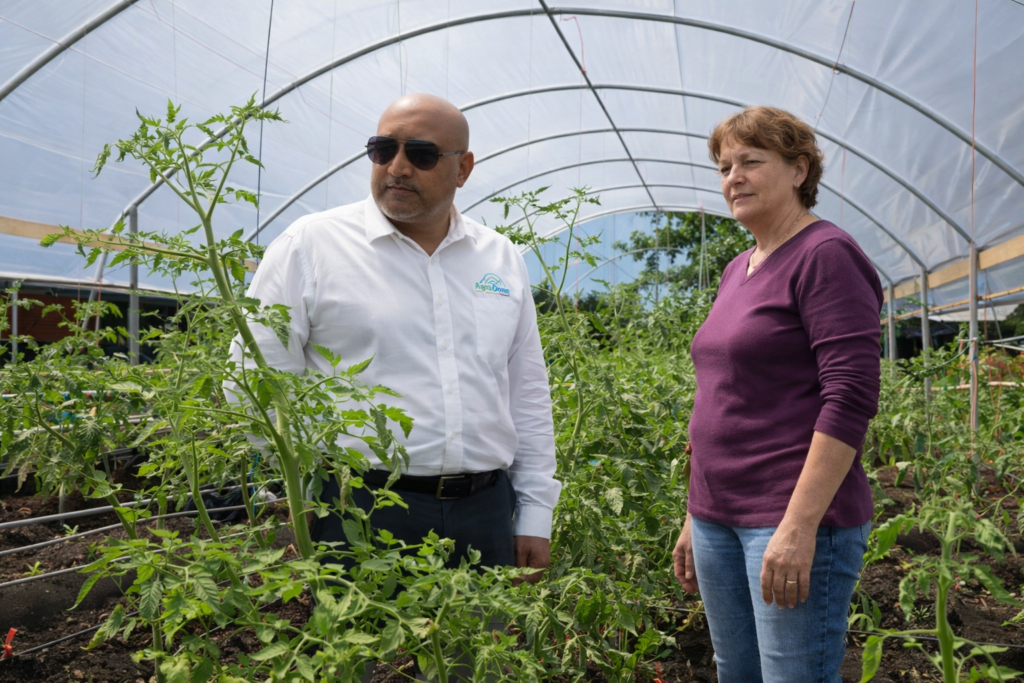
Global Tunnel Expertise for High-Performance Berry Farming| Agrodome Projects LLP
Berries are no longer niche crops—they are premium, high-value horticultural products with growing demand across domestic and international markets. However, crops like strawberries, raspberries, blueberries, and other soft berries are also among the most climate-sensitive fruits to cultivate.
This is precisely why protected tunnel systems have emerged as the most reliable and scalable solution for modern berry farming.
At AgroDome Projects LLP, we specialize in designing and executing tunnel structures for berry cultivation worldwide, helping growers create the right environment where berries consistently perform better—across climates, regions, and seasons.
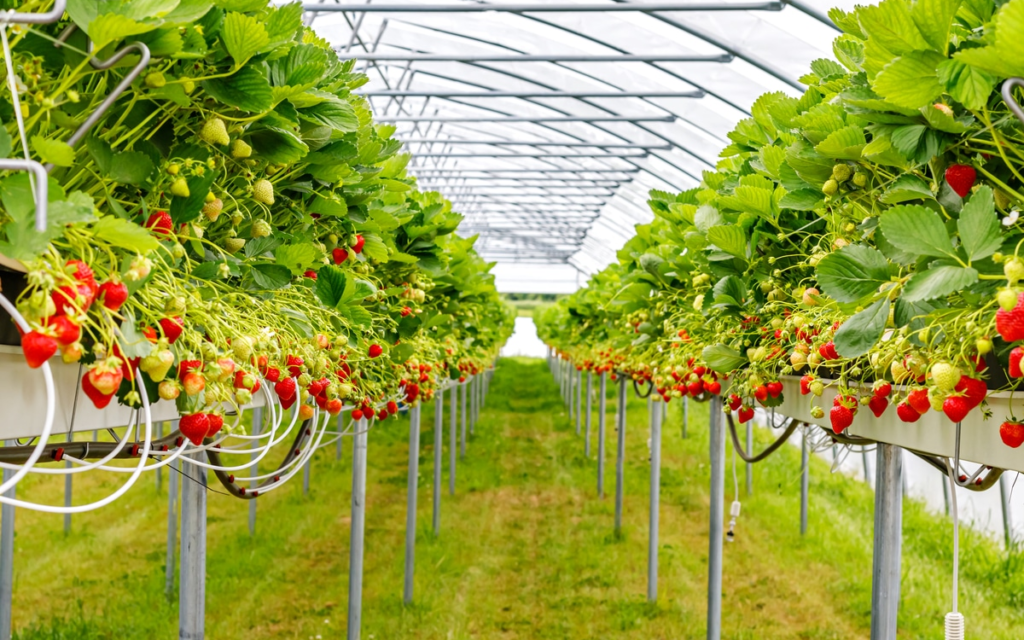
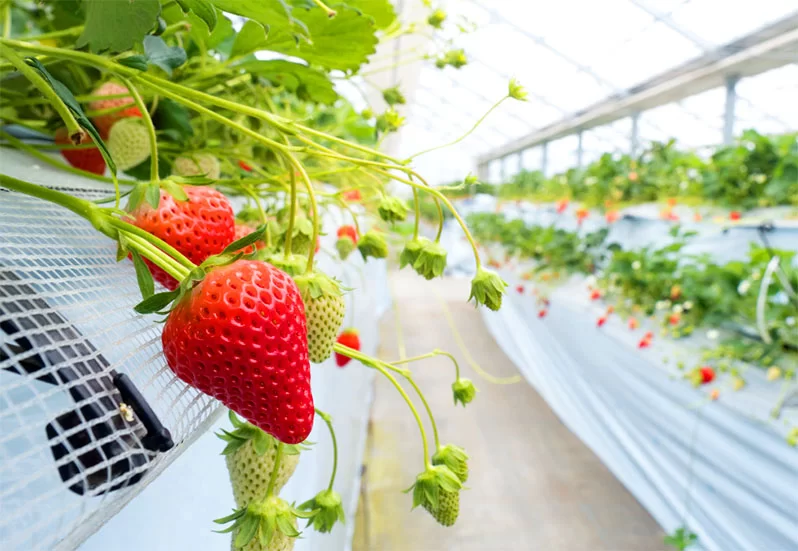
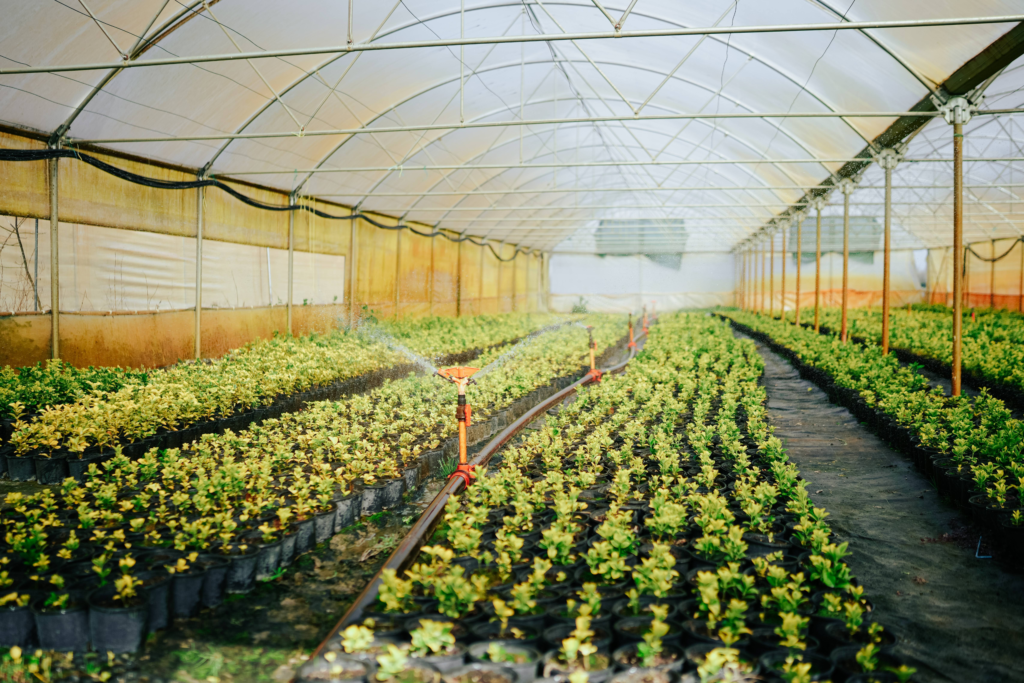
Understanding the Nature of Berry Crops
Berry plants have shallow root systems, delicate flowers, and highly sensitive fruits. Even minor environmental stress can result in:
- Fruit cracking and rot
- Reduced size and poor colouration
- Inconsistent sweetness and texture
- Increased disease pressure
- Lower marketable yield
Open-field conditions often expose berries to unpredictable weather, excess moisture, heat stress, and pest infestation, making production risky and inconsistent.
What Are Protected Tunnels?
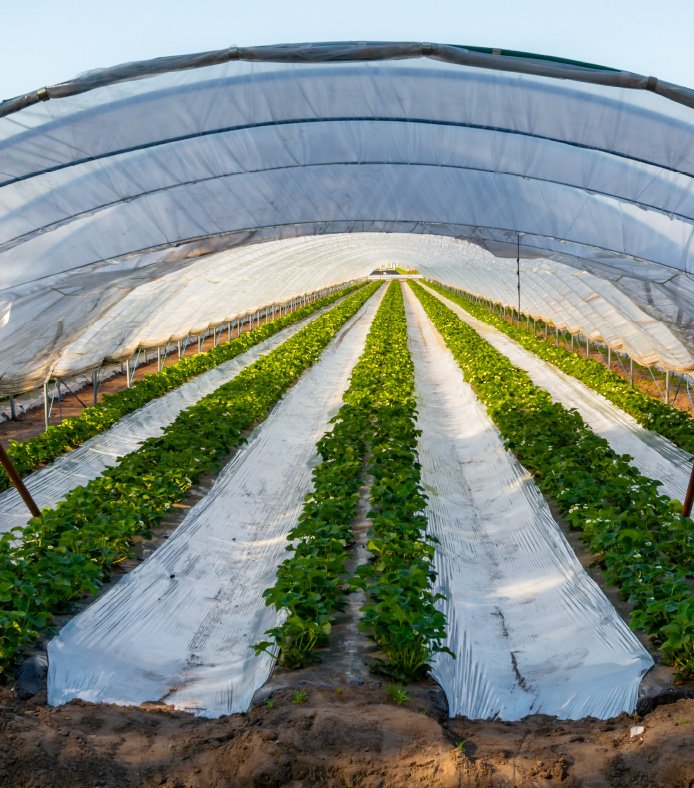
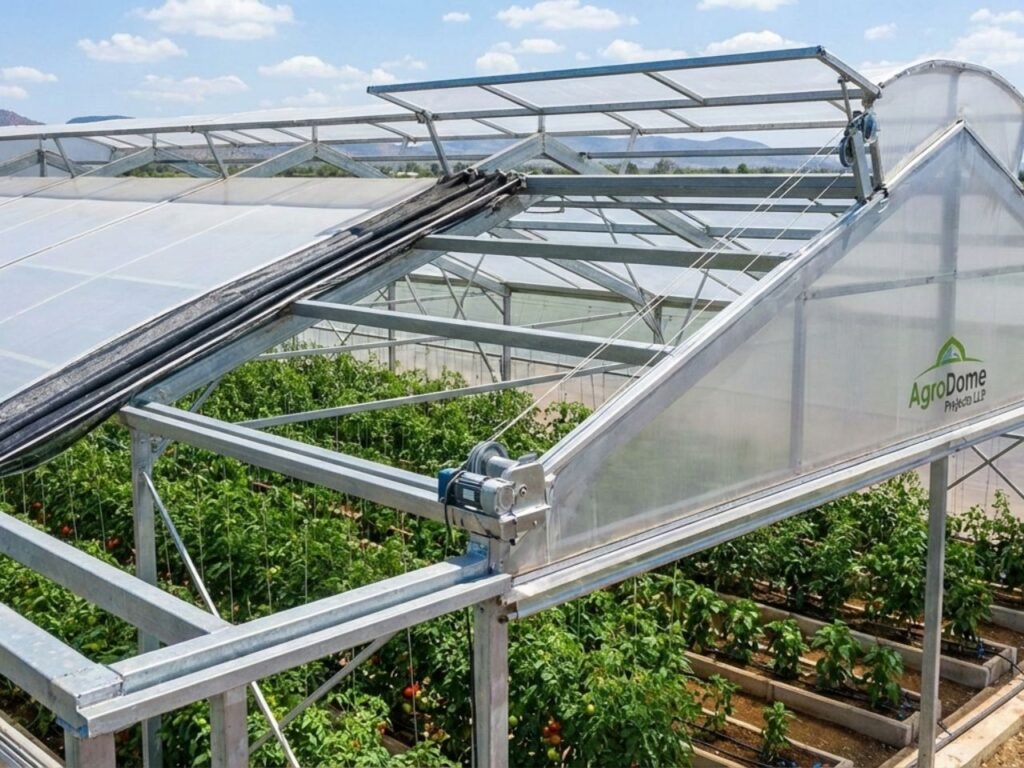
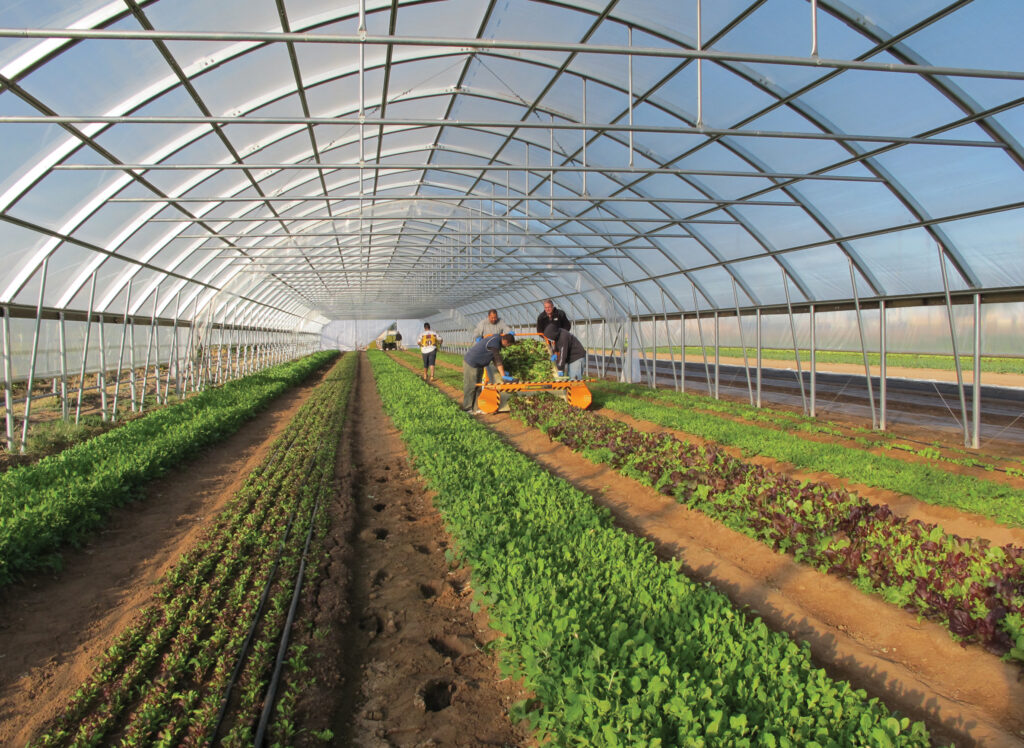
Protected tunnels (also known as high tunnels or polytunnels) are engineered structures covered with specialized films or nets. They create a controlled yet naturally ventilated microclimate, offering the ideal balance between protection and plant-friendly growing conditions.
For berries, tunnels provide precision without over-complexity—making them a preferred alternative to open fields and fully climate-controlled greenhouses.
1. Protection from Unpredictable Weather
One of the primary reasons berries perform better under protected tunnels is weather control.
Tunnel structures protect crops from:
- Excess rainfall (reducing fruit rot and fungal diseases)
- Heat stress during peak summers
- Frost damage during early or late seasons
- Strong winds and hail
By shielding berries from direct exposure, tunnels ensure stable flowering, fruit setting, and ripening, even under challenging climatic conditions.
2. Optimized Microclimate for Better Berry Physiology
Berry crops require specific temperature and humidity ranges for optimal growth. Protected tunnels help maintain:
- Balanced day–night temperature
- Controlled humidity levels
- Improved airflow and oxygen exchange
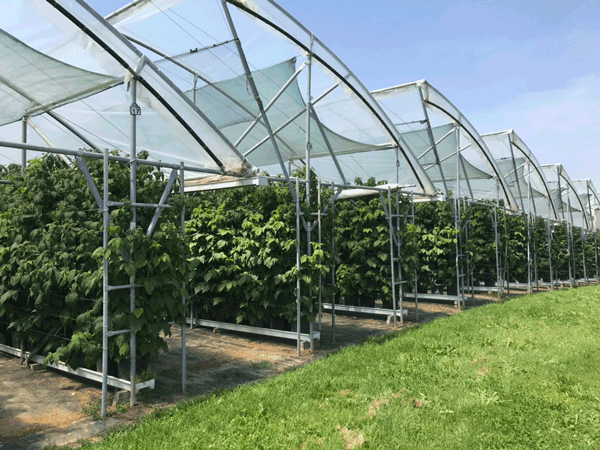
This optimized microclimate leads to:
- Uniform berry size and shape
- Improved colour and gloss
- Better sugar accumulation and taste
- Reduced plant stress
Healthy plants focus more energy on fruit development—resulting in premium-quality berries.
3. Lower Disease & Pest Pressure
Excess moisture and soil splash are major causes of fungal and bacterial diseases in berries. Protected tunnels significantly reduce these risks by:
- Preventing direct rain contact with foliage and fruit
- Reducing humidity spikes
- Limiting pest entry when combined with insect nets
This results in:
- Lower chemical dependency
- Cleaner produce
- Improved compliance with food safety and export standards
4. Higher Yield & Consistent Quality
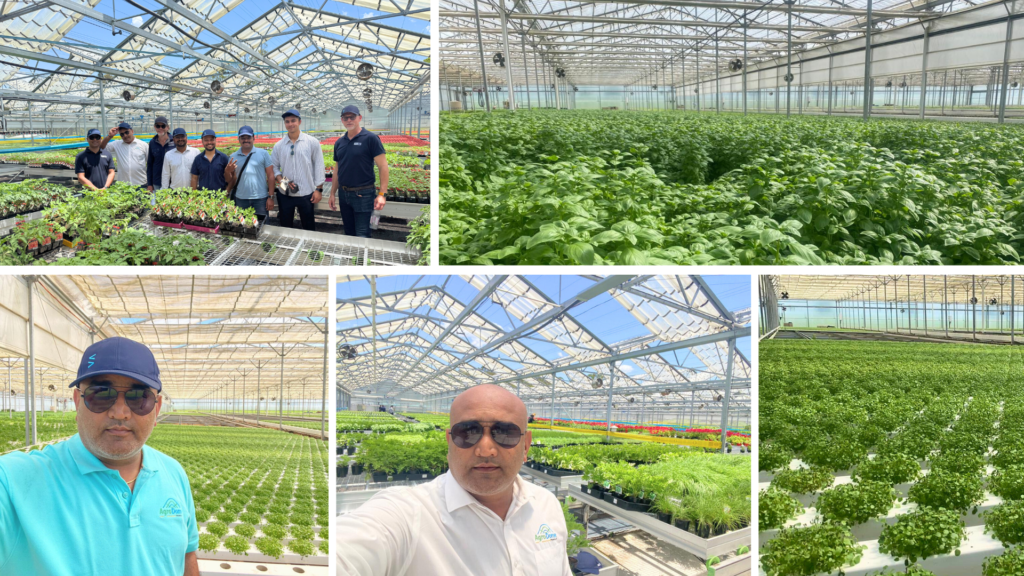
Under protected tunnels, berries experience reduced environmental stress. This translates directly into:
- Higher marketable yield
- Uniform harvest batches
- Consistent fruit quality across seasons
- Improved shelf life and transport durability
For commercial berry growers, consistency is as important as yield—and tunnels deliver both.
5. Extended Harvest Window & Better Market Timing
Tunnel farming allows growers to:
- Start planting earlier
- Extend harvesting periods
- Harvest berries when market prices are higher
This extended production window improves price realization and farm profitability, especially for export-oriented berry farms.
6. Cost-Effective Alternative to Full Greenhouses

While climate-controlled greenhouses offer precision, they also come with high capital and operational costs. Protected tunnels provide:
- Lower initial investment
- Faster installation
- Lower maintenance costs
- Excellent ROI for berry crops
For many regions and berry varieties, tunnels offer the perfect balance between performance and affordability.
AgroDome Projects LLP: Global Tunnel Specialists for Berry Farming 🌍
At AgroDome Projects LLP, tunnels are not generic structures—they are crop-engineered systems.
What Makes AgroDome a Global Tunnel Specialist?
✔ Berry-focused tunnel design (strawberry, raspberry, blueberry, soft berries)
✔ Climate-adaptive engineering for diverse global regions
✔ Scalable solutions for small to commercial farms
✔ Cost-efficient, high-performance structures
✔ End-to-end execution from design to installation
✔ Global project experience beyond India
We don’t just build tunnels—we build confidence, consistency, and crop success.
Beyond Tunnels: Complete Protected Cultivation Expertise
While tunnels are our specialization for berries, AgroDome also offers:
- Naturally Ventilated Polyhouses
- Retractable Roof Greenhouses
- Net Houses & Insect-Proof Structures
- Nursery & Propagation Structures
- Custom Greenhouse Solutions
This enables us to guide growers toward the right structure for the right crop and climate, ensuring long-term sustainability.
Conclusion: Why Protected Tunnels Are the Future of Berry Farming
Berries perform better under protected tunnels because they receive:
- Protection without isolation
- Control without complexity
- Performance without excessive cost
As global demand for premium berries continues to rise, tunnel-based protected cultivation is becoming the backbone of profitable, scalable berry farming.
With AgroDome Projects LLP, growers partner with a globally experienced tunnel specialist dedicated to building high-performance berry farms—anywhere in the world.